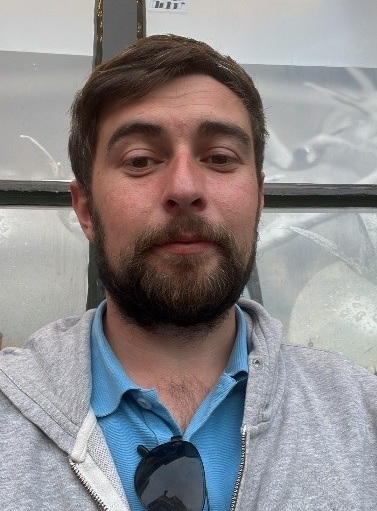
Andrew Arstall is a PhD student in Biomedical Engineering with a BEng in Mechanical Engineering from the University of Edinburgh, and an MSc in Biomedical Engineering with cell and tissue engineering from the University of Strathclyde. Andrew’s past research has leveraged concepts in numerical modelling, circuit design, and mechanical design to make improvements in a biological context to help people in unique ways. This has included implementing composite weaving techniques in designing new knee prostheses and the mechanical stimulation of mesenchymal stem cells through piezoelectric materials to enhance cell differentiation.
His PhD research involves investigating the unique ageing characteristics observed in organisms, such as naked mole rats and olms. These creatures have exceptional longevity and are resistant to many ageing associated diseases, such as cancer and Alzheimer’s disease. He will investigate how to use (acoustic) mechanical stimulation to alter the cellular mechanisms in human cells to more closely mimic these excellent ageing properties. This will provide a greater understanding behind the mechanisms of ageing and how to mitigate the negative effects associated with it, saving lives and improving quality of life.
Finlay Douglas is a PhD student studying Electrical and Electronic Engineering, specialising in nature-inspired acoustic sensors and devices. He holds a BEng in Computer and Electronic Systems from the University of Strathclyde. Finlay spent his undergraduate studying the fundamentals of both computer science and electrical and electronic engineering; specialising in the latter throughout his senior years where he found a passion for sensor systems, signal processing and control engineering. His undergraduate thesis involved developing a compact, unintrusive, IoT device for monitoring environmental parameters such as temperature, humidity, and occupancy within a household environment.
Finlay’s current research focuses on translating the efficiency found in natural systems into the design of modern electrical sensors and devices used across a range of industries. Specifically, he is exploring the diverse hearing systems of insects and electrical sensor systems inspired by their methods of transduction. The sensitivity and performance of current acoustic sensors—such as iontronic and capacitive pressure sensors—are influenced by numerous factors. Finlay is investigating how these factors can be utilised to improve sensor performance through the use of nature-inspired polymers, as well as through physical strategies aimed at improving their overall effectiveness.
.
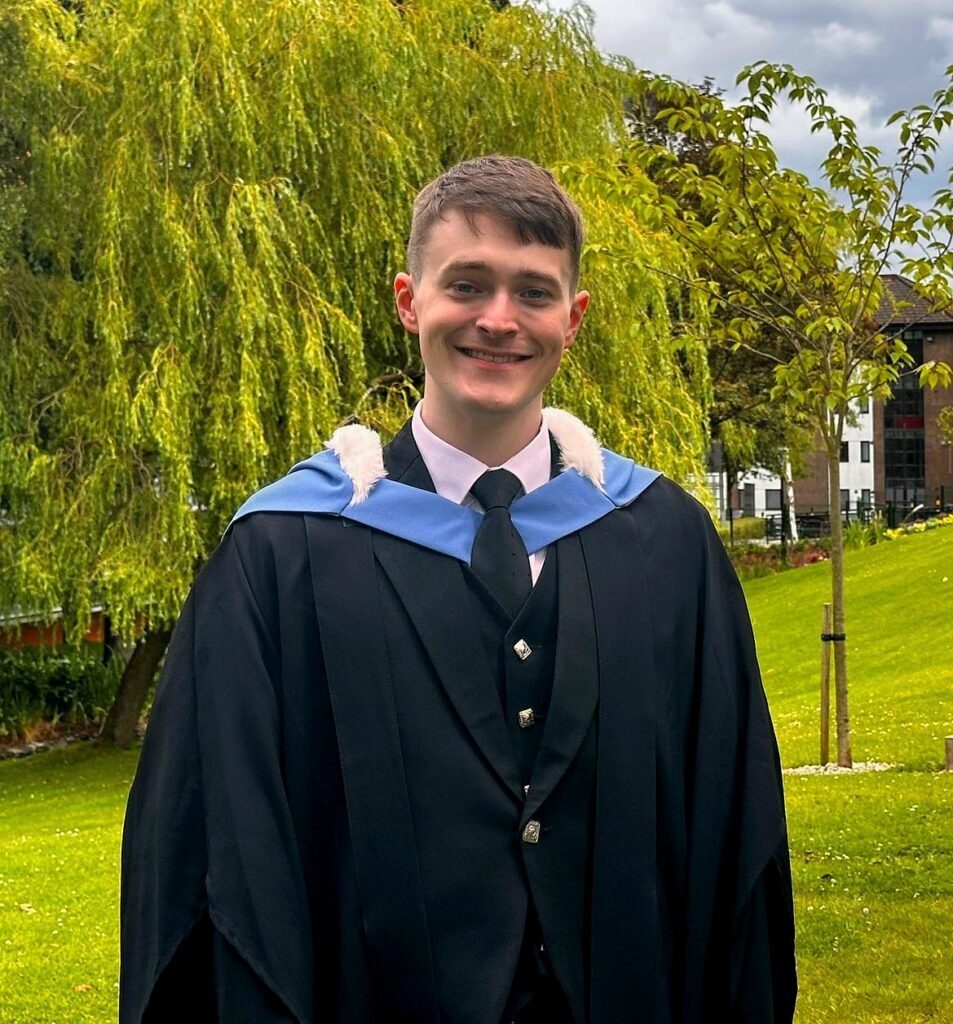
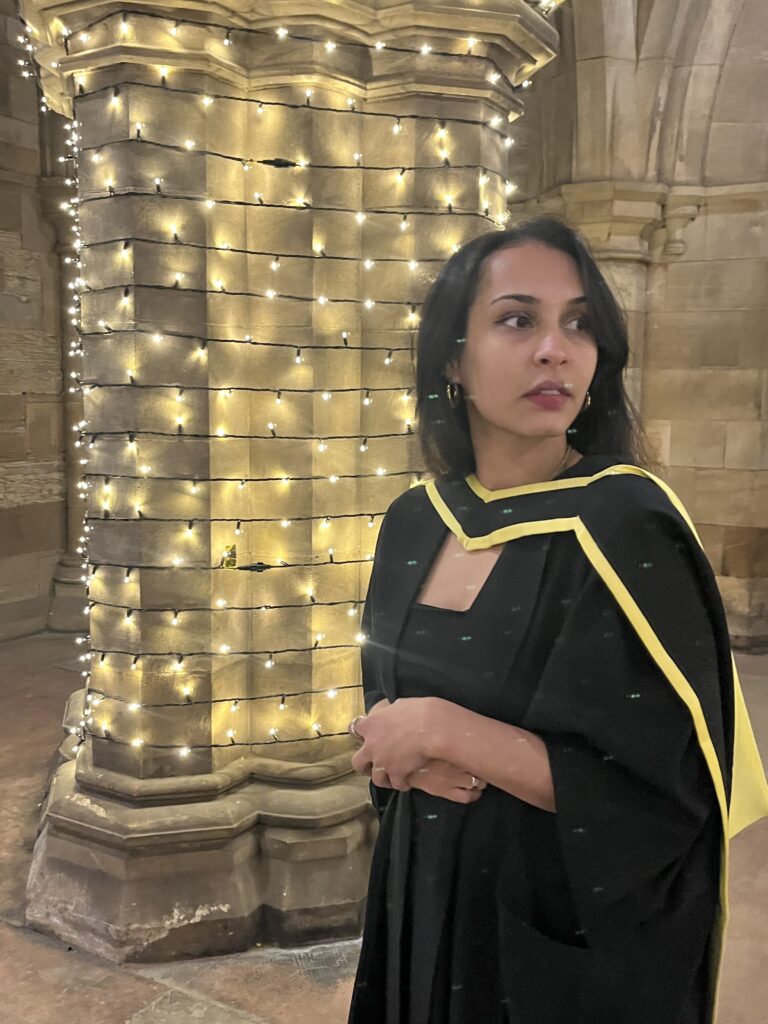
Joanne Goodman is a PhD student in Management Science at Strathclyde Business School. She holds a BA in Psychology from the University of Strathclyde and an MSc in Brain Science from the University of Glasgow. Joanne has a solid foundation in the field of cognitive neuroscience, built from her undergraduate dissertation which focused on super-face-recognisers’ ability to detect hyper-realistic masks and her master’s thesis which investigated the role of theta oscillations in human episodic memory.
For Joanne’s PhD research, she aims to explore how emotionally framed misinformation about advanced acoustic technology may impact surveillance anxiety. Her previous academic experience in psychology and new venture in business academia will support her interdisciplinary research – both focusing on the psychology of how we are affected by misinformation and how we mitigate the risks that these perceptions effect the business and applications of these acoustics systems.
Jose Daniel Pastor Sar received a B.Sc. in Telecommunication Engineering from the University of Alicante, where he graduated with the highest academic record of his cohort and was awarded the prize for the Best Bachelor’s Thesis by the Official College of Telecommunication Engineers. He also holds an M.Sc. in Telecommunication Engineering from the same institution.
He was recognized as Best Young Talent in Cybersecurity by the Spanish National Cybersecurity Institute (INCIBE) and has worked as a research assistant within the Applied Acoustics Group at the University of Alicante. His research contributions include two presentations at international conferences on underwater acoustics and one indexed journal publication.
His PhD research focuses on understanding the auditory system of mosquitoes, particularly the biomechanics of the Johnston’s organ as a biological amplifier. The overarching goal of his work is to develop a bioinspired sensor capable of reproducing the mosquito’s active hearing process through passive mechanical techniques and converting the resulting mechanical signals into electrical transduction.
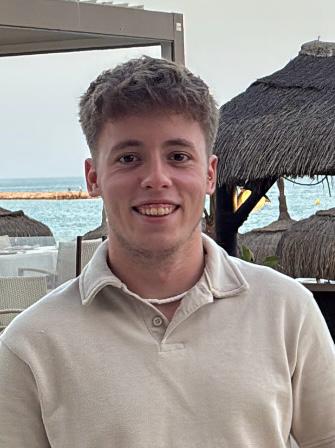
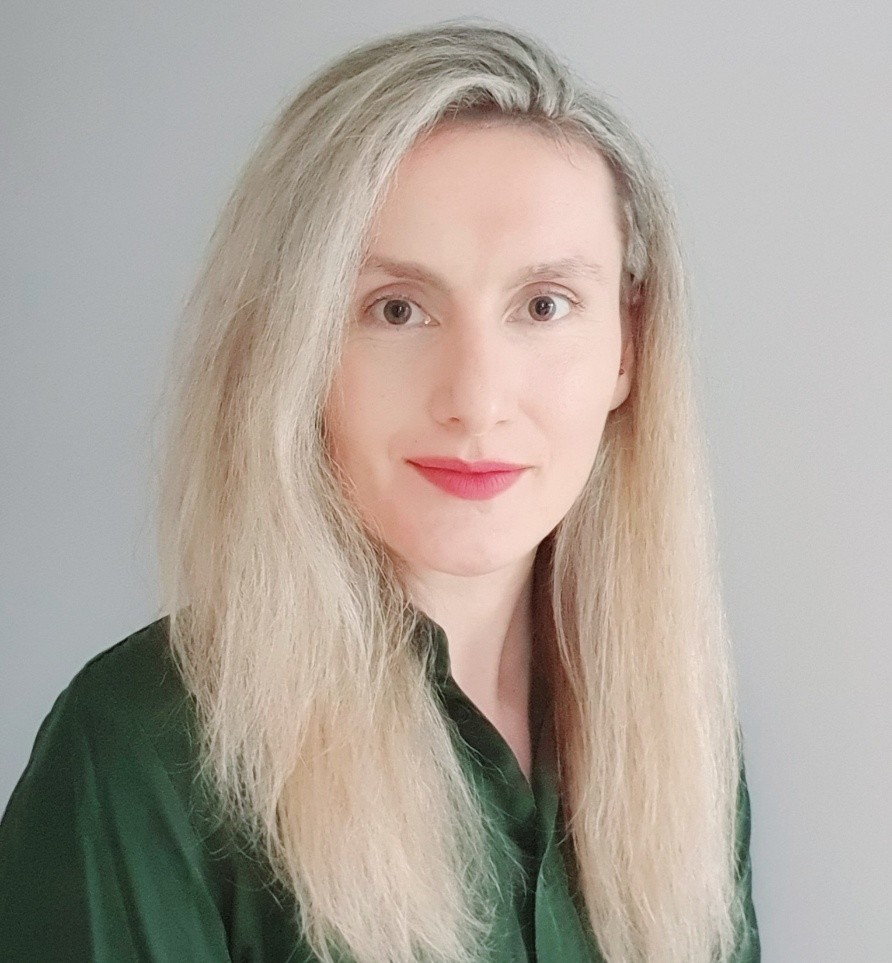
Aida Uta Saplan holds an Integrated Master’s in Advanced Applied Psychology from the University of Chichester, with a research background in cross-cultural psychology, examining how multiculturalism and acculturation affect creativity. Her doctoral research now aims to blend these psychological insights with emerging AI technologies for better collaborative decision-making. She is a first-year PhD student at the Management School, University of Strathclyde, researching how AI and humans can work together as partners to improve technological insight and decision making.
Aida investigates collaboration models where AI augments human problem-solving, ensuring that decisions remain transparent, trustworthy, and consistent with organizational values. Her work focuses on integrating AI’s powerful data analysis and efficiency with human creativity, judgment, and ethical reasoning to enhance innovation and organizational effectiveness.
Christopher Strang is a PhD student in the Department of Pure and Applied Chemistry at the University of Strathclyde. Christopher holds an mChem in chemistry with drug discovery which has allowed Christopher to gain expertise in chemical biology. Christopher has experience in polymer chemistry, starting from PolyVation in Groningen where he took part in a project which helped with the development of devices with applications in the pharmaceutical and biomedical industries. Christopher’s masters project took place at the University of Strathclyde and was based on developing an electrochemical sensor for detecting carboxylic acids. This involved functionalising a 3D graphene foam electrode with polymeric and small molecular receptors for the chemical capture of D-camphoric acid.
Christopher’s current research focus is based on the functionalisation of bio-inspired materials which have applications in acoustic sensors which are inspired by nature. The research will investigate different crosslinking strategies for sustainable and cost-effective hydrogels produced from natural materials for applications in acoustic sensing.